
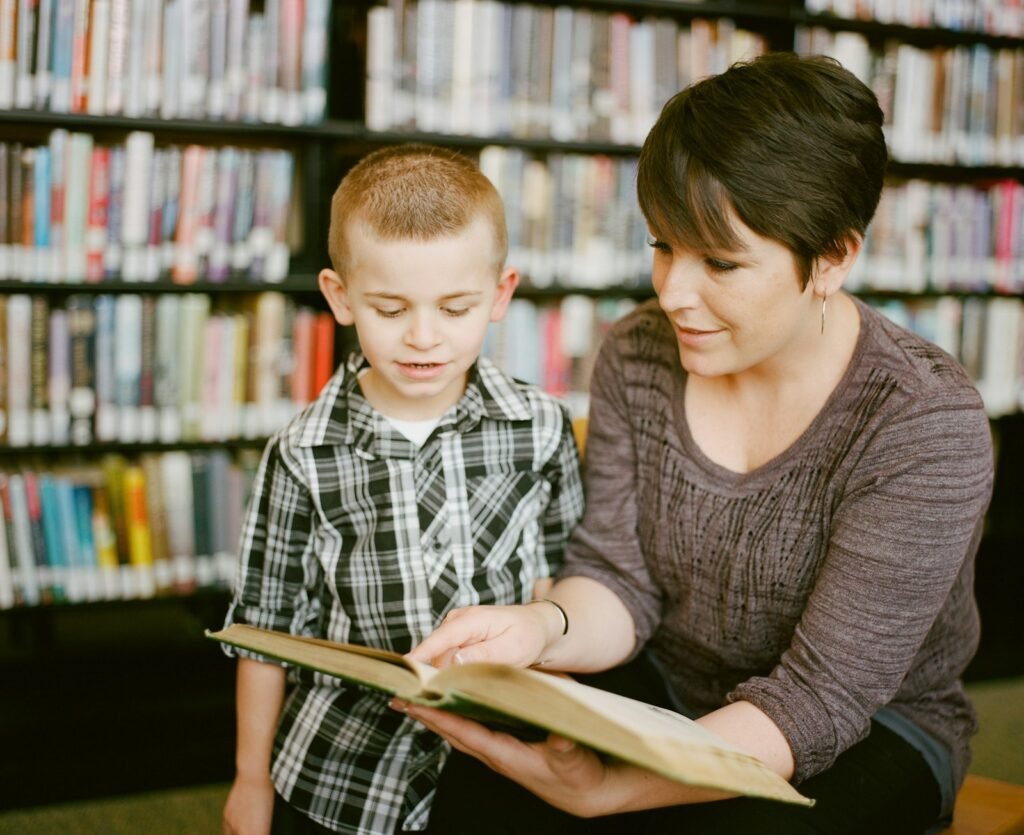
Our homeschooling journey didn’t begin with a philosophy. It began with my eldest son. He was struggling with anxiety at school and wasn’t getting the support he needed, and I could see him shrinking a little more each week. Bringing him home was less a decision than a necessity.
More than a decade later, I’ve learned a great deal about homeschooling an anxious child, much of it the hard way. I want to share what has helped us, gently and honestly. I’m a mum, not a therapist, so please take this as one parent’s experience, not medical advice.
This post is part of my guide to gentle, child-centred homeschooling in Hong Kong, where emotional wellbeing sits at the centre of everything we do.
Homeschooling is part of the answer, not the whole answer
This is the first thing I tell parents. Taking an anxious child out of a stressful environment can bring enormous relief. But homeschooling on its own doesn’t make anxiety disappear. Some worries come home with your child; some have nothing to do with school at all.
If your child’s anxiety is affecting their sleep, eating, friendships or daily life, please talk to your family doctor or paediatrician, who can refer you to a clinical psychologist or other children’s mental health professional. Homeschooling and professional support work well together. And if a child ever talks about wanting to hurt themselves, seek urgent help straight away.
Safety first, then learning
When a child feels anxious, the part of the brain that handles threat takes over, and there’s very little room left for learning. That’s why our motto at home is simple: emotional safety first.
In practice that means:
- When a lesson is triggering tears or panic, we stop, breathe, and come back later, or tomorrow.
- We never use learning as a punishment, and never compare one child’s progress with another’s.
- Mistakes are treated as normal and even interesting: “Oh, that’s useful, now we know what doesn’t work.”
Build a predictable, flexible rhythm
Uncertainty feeds anxiety, so predictability helps. But rigid timetables can create a different kind of pressure. What works for us is a gentle rhythm: the same shape to each day, with room inside it.
- A visual plan for the day. A simple list or picture chart so your child knows what’s coming
- Warnings before transitions. “In five minutes we’ll finish and go outside”
- Anchor points. The same calm start and the same wind-down each day
- Flexibility within the frame. Your child can choose the order of tasks, or which book to read
Watch how your child responds. Some children find checklists calming; others find them overwhelming. Adjust to the child in front of you.
Daily check-ins
Regular, low-pressure check-ins are built into our routine. Not interrogations, just space to talk.
- Morning: “How are you feeling about today? Anything on your mind?”
- Feelings scale: younger children can point to a face or colour; older ones can give a number from 1 to 5
- Journaling: a private notebook for drawing or writing worries and wins
- Side-by-side talks: some of our best conversations happen while walking, cooking or doing a puzzle, not face to face
Listen more than you advise. Often a child simply needs to feel heard.
Teach calming skills as life skills
We treat calming strategies as part of the curriculum, just like reading and maths. Practise them when your child is calm, so they’re familiar when anxiety rises:
- Slow breathing: breathing in for four counts and out for six, or “smell the flower, blow the candle” for little ones
- Grounding: naming five things you can see, four you can hear, three you can touch
- Movement: stretching, a short walk, jumping, or dancing it out
- Quiet corners: a cosy spot with cushions, books and something soft, where your child can go when they need a break
- Time outdoors: fresh air and green space help many children reset. I write about how we use nature in nature-based learning in Hong Kong.
Adjust how you teach
Anxiety often shows up around particular subjects or types of tasks. A few changes that have helped us:
- Short, focused sessions with frequent breaks rather than long stretches
- Start with strengths. Begin the day with something your child feels good at
- Hands-on and story-based learning for subjects that feel threatening on paper. Montessori-style materials are wonderful here; see Montessori at home.
- Lower the stakes. Swap timed tests for conversations, projects and portfolios
- Break big tasks into small steps and celebrate each one
- Offer choices, which give a sense of control: “Would you like to do maths at the table or on the floor?”
Grow confidence in small steps
It’s tempting to protect an anxious child from everything that worries them. But gently stepping towards challenges, with support, is how confidence grows. We start tiny: ordering a drink at a café, saying hello at a meetup, joining a small class with a friend. Each small success becomes evidence that “I can do hard things.”
If your child may return to school one day, gradual exposure to school-like experiences, such as group classes or a short course, can make that transition gentler.
Look after yourself too
Supporting an anxious child is emotionally demanding. Children pick up on our stress, so caring for yourself isn’t selfish; it’s part of caring for them. Find people you can talk to honestly. In our Hong Kong homeschooling community, some of the most valuable conversations have been between parents simply saying “this is hard” and being understood.
Frequently asked questions
Will homeschooling cure my child’s anxiety?
Not on its own. It can remove a major source of stress and give space to heal, but many children also benefit from professional support. Talk to your doctor if anxiety is affecting daily life.
Should I put academics on hold?
For a period, focusing on rest, connection and wellbeing can be the wisest choice. Learning still happens through reading, play, cooking and outdoor time. As your child feels safer, more structured learning usually becomes easier.
How do I know if my child needs professional help?
If anxiety is persistent, intense, or affecting sleep, eating, friendships or everyday activities, it’s a good idea to speak to a family doctor or paediatrician, who can advise on next steps.
How can I tell if my child is anxious or just avoiding work?
Anxiety can look like avoidance, anger or “laziness”. Look for patterns, such as physical complaints before certain tasks, and ask gently what feels hard. Responding with curiosity rather than punishment usually reveals more.
Can homeschooled anxious children make friends?
Yes. Small, regular groups with familiar faces are often easier than large classrooms. Homeschool meetups, co-ops and interest-based classes are good places to start.
Progress, not perfection
There will be good days and very hard days. Slow progress is still progress. Looking back over more than ten years, the biggest change I’ve seen in my children isn’t what they learned. It’s that they feel safe enough to explore, to make mistakes and to be themselves. If you’re just beginning, my guide on how to start homeschooling in Hong Kong may help, and you can find the bigger picture in my guide to homeschooling in Hong Kong.