
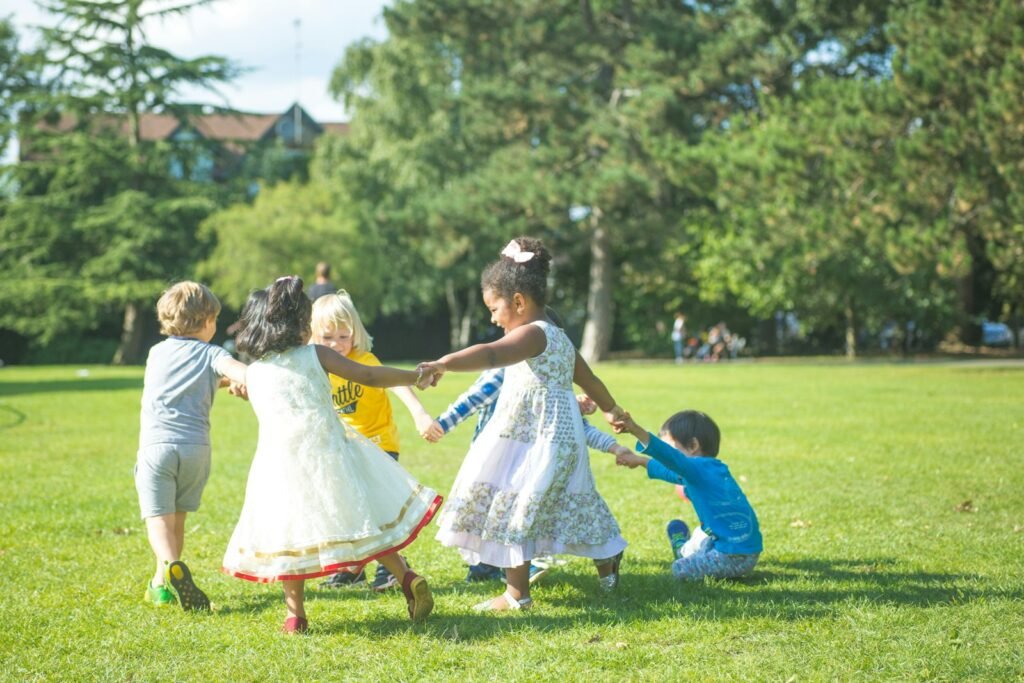
“But what about socialisation?” If you homeschool, you’ve almost certainly heard this question, often before people ask anything else. It’s a fair worry, and one I had myself in the early days. Will my children have friends? Will they learn to get along with others? Will they feel left out?
After more than a decade of homeschooling three children, my honest answer is this: homeschool socialisation doesn’t happen automatically, but with a little intention, homeschooled children can build rich, lasting friendships, often with a wider range of people than school allows. In this post I’ll share how homeschooled children make friends, practical ways to build community in Hong Kong, and what to do when it feels hard.
It’s part of my wider guide to gentle, child-centred homeschooling in Hong Kong.
What does “socialisation” really mean?
When people worry about socialisation, they usually mean two different things:
- Social opportunity: enough time with other children to play, build friendships and feel connected
- Social skills: the ability to communicate, cooperate, resolve conflict, and get along with people of different ages and backgrounds
School offers lots of time around peers of the same age, but that isn’t the only, or always the best, way to develop social skills. In everyday life, adults work, socialise and solve problems with people of all ages. Homeschooled children often spend more of their time in exactly those kinds of mixed settings.
The real challenge: it takes intention
Here’s the honest part. Homeschooling can feel isolating, especially at the beginning, for children and parents alike. Without a school gate to stand at, friendships don’t just appear. You have to create opportunities on purpose.
That’s exactly why community sits at the heart of what I do. I organise group meetups and resource-sharing workshops because I know how lonely those early months can feel. And the good news is that once you start building a network, it tends to grow on its own.
Where homeschooled children make friends
Regular homeschool meetups
The single most helpful thing for friendships is seeing the same children regularly. A weekly or fortnightly meetup, such as a park day, a library session or an outing, gives children the repeated contact that friendships need.
Co-ops and shared learning groups
In a co-op, families take turns leading activities or lessons, like science experiments, art or drama. Children learn together and get to know each other through shared projects. Group projects work beautifully here; see my guide to project-based learning at home for ideas.
Interest-based classes and clubs
Sport, swimming, music, art, coding, drama, scouting, language classes. Friendships that grow around a shared passion are often the strongest. Many activities in Hong Kong run outside school hours, but some also offer daytime sessions that suit homeschoolers.
Outdoor and nature groups
Nature walks, beach clean-ups and outdoor learning groups are a lovely way for children to connect while doing something active together. I share some of our favourite places in nature-based learning in Hong Kong.
Everyday community life
Neighbours, cousins, friends from your building, children at the playground, volunteering, chatting with shopkeepers, librarians and other adults. These everyday interactions all build social confidence.
How to find homeschooling families in Hong Kong
- Search online groups for Hong Kong homeschooling families on social media and meetup platforms
- Ask around at libraries, playgrounds and activity centres during school hours. Other homeschoolers are often there too.
- Join workshops and events aimed at home-educating families
- Start something small yourself: invite one or two families for a regular park morning. It’s how many groups begin.
- Get in touch: if you’re in Hong Kong and looking for community, you’re very welcome to contact me about meetups and workshops.
Supporting different personalities
Children differ in how much social time they want. Some thrive in big, busy groups; others prefer one close friend and a quiet activity. Homeschooling lets you respect that:
- For quieter children: small groups, structured activities with a clear focus, and regular one-to-one play dates
- For very social children: several regular groups, team sports and drama or performing arts
- For anxious children: gentle steps, familiar faces, and a predictable routine. I share more in homeschooling an anxious child.
Building social skills at home
Social skills also grow in everyday family life:
- Talking openly about feelings and how others might feel
- Working through sibling disagreements calmly
- Playing board games, which teach turn-taking, winning and losing graciously
- Letting children order food, ask for help or make phone calls themselves
- Reading stories and discussing characters’ choices
When friendships feel hard
There may be seasons when your child feels lonely, or a group doesn’t feel right. That’s normal, and it happens to schooled children too. Try a different group or activity, focus on one or two friendships rather than many, and keep talking with your child about what they need. If loneliness persists or seems to be affecting your child’s wellbeing, it’s worth speaking to a professional for support.
Frequently asked questions
Do homeschooled children have trouble making friends?
Not necessarily. Homeschooled children make friends through meetups, co-ops, classes, sports and community life. The key is regular contact with the same children, which takes a little planning.
How often should homeschooled children socialise?
It depends on the child. Many families aim for at least one or two regular group activities a week, plus informal time with friends and family.
Is it a problem that homeschooled children mix with different ages?
Often it’s a benefit. Mixed-age groups give children practice in leading, helping and learning from others, much like real-world settings.
How do I find homeschooling groups in Hong Kong?
Search online community groups, ask at libraries and activity centres, attend homeschooling events, or start a small regular meetup with a few families.
What if my child is shy?
Start small, with one or two familiar friends and short, structured activities. Build up gradually, and celebrate small steps.
Community makes the difference
Homeschooled children don’t miss out on friendship. They find it in different places. With regular meetups, shared interests and a supportive community around you, your children can build friendships that last. And so can you. For more about how we approach learning, wellbeing and community, read my guide to homeschooling in Hong Kong.